Leading Trimming Experts Florence Parks
Learn about the Essential Services Offered by a Professional Arborist for Optimal Tree Health
A professional arborist provides numerous services crucial for keeping trees healthy and enhancing landscapes. Their expertise in tree pruning stimulates development and minimizes threats. They also identify and treat tree diseases, ensuring tailored treatment plans are in place - Florence Arborist. Additionally, arborists perform safe tree extractions and aid in planting and transplanting. Their role is especially important during critical situations like storm damage. Knowing these services can greatly impact one’s approach to tree care
The Importance of Tree Pruning
Although many homeowners may overlook the necessity of tree pruning, it serves a vital function in preserving the health and aesthetics of trees. Effective pruning assists trees in building a robust structure, removing dead or diseased branches that could create hazards. By judiciously pruning limbs, the tree can focus its energy on healthy growth, fostering superior air movement and sunlight penetration. Additionally, pruning can improve the look of the tree, contouring it for attractiveness in residential landscapes.
Moreover, regular pruning can avoid possible dangers, such as falling branches during storms or high winds, which could cause property destruction or hurt people. It also assists in avoiding of pest infestations and diseases by enhancing the tree's hardiness. Ultimately, retaining expert arborist services for tree pruning ensures trees stay healthy, safe, and attractive, adding significantly to the overall beauty and value of the property.
Identifying and Treating Tree Diseases
Tree health can be considerably affected by a range of diseases that may not always be instantly obvious. A professional arborist is crucial in identifying these issues promptly, utilizing a combination of visual inspections and assessment instruments. Symptoms such as unusual leaf coloration, wilting, or abnormal growth habits often signal underlying health issues. Arborists evaluate these signs to pinpoint particular diseases, whether fungal, bacterial, or viral in nature.
After a diagnosis is made, the arborist develops a customized plan of action. This may include focused interventions, such as chemical controls, and cultivation methods that boost the tree's resistance. Additionally, proper watering, the application of mulch, and feeding can significantly boost tree health and ability to fight off illness. Consistent observation and further interventions are critical to successful control, securing the long life and vitality of the trees. When dealing with tree diseases promptly, professionals preserve the ecological advantages and visual appeal that healthy trees offer.
Best Practices for Tree Felling
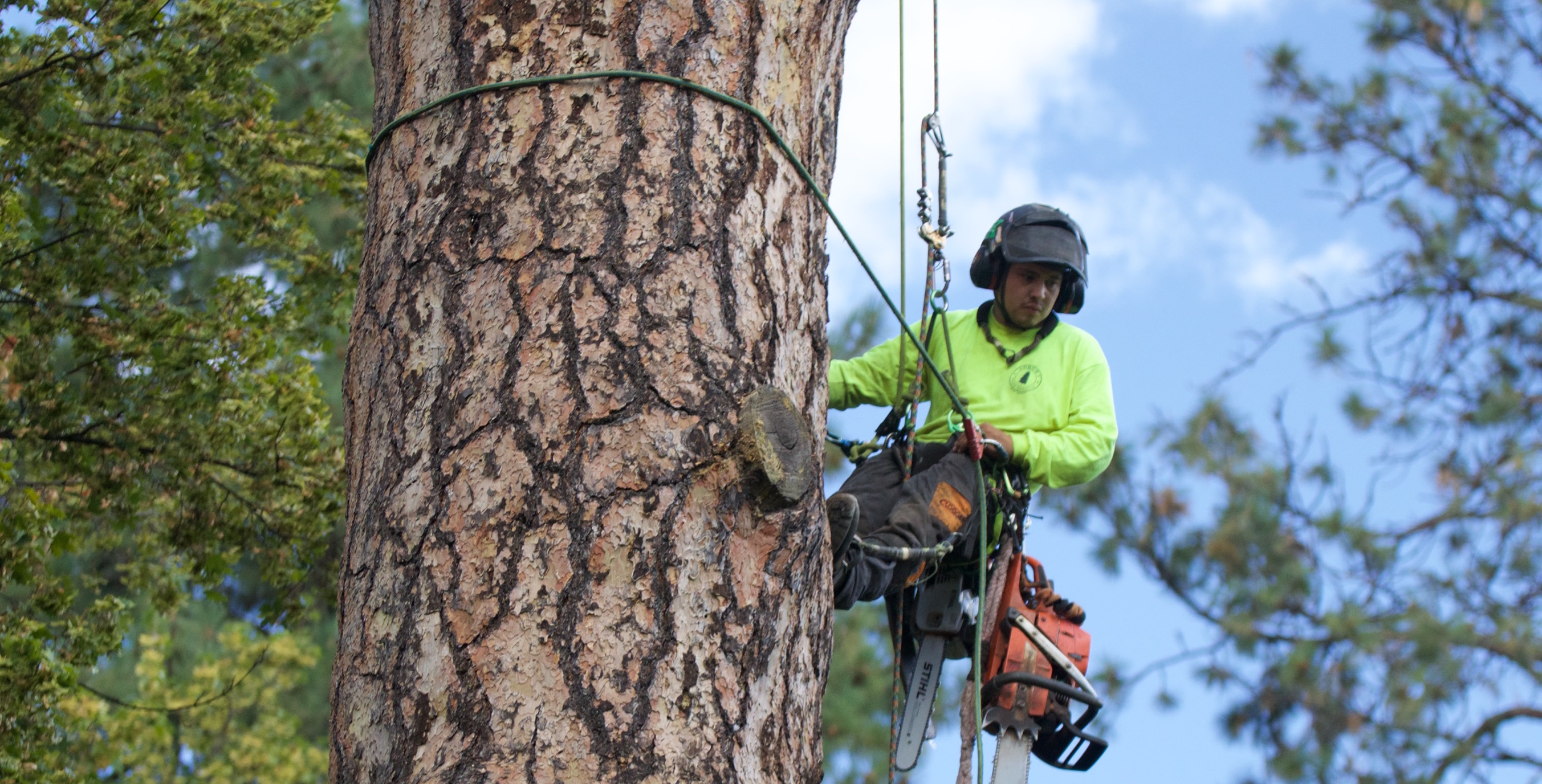
Effective tree removal practices are critical for securing safety and minimizing damage to adjacent areas. Qualified professionals utilize a thorough assessment of the tree's condition, where it is situated, and the surrounding environment before beginning the felling process. Professionals employ dedicated machinery, such as rigging equipment and chainsaws, to make clean incisions and control during the felling process.
A carefully designed extraction plan includes identifying potential hazards, such as power lines or nearby structures, which can compromise the safety measures. Tree specialists frequently employ a method known as "sectional dismantling," where the tree is cut down in manageable pieces, reducing the risk of falling debris.
Furthermore, they follow local regulations and guidelines to ensure adherence and ecological responsibility. Following the extraction, thorough clearing and removal of the tree debris, stump removal being included, help improve the overall security and look of the landscape.
Tree Planting and Relocation
The process of tree establishment requires careful consideration of site selection and installation methods to guarantee long-term health and growth. An appropriate setting greatly affects a tree's development, and correct installation techniques reduce trauma and aid in successful rooting. Tree specialists highlight these elements as vital for boosting the strength and endurance of trees in all environments.
Choosing the Right Location
Selecting an appropriate site for relocating or establishing trees is essential for their sustained health and success. Factors such as the condition of the soil, the amount of sun, and drainage must be carefully evaluated. Professional arborists evaluate the location's features, making sure that the selected area offers sufficient nourishment and support for the tree species. Additionally, the proximity to existing structures and other plants is crucial to prevent competition for resources and prevent possible harm. Arborists also consider the tree’s mature size and root system, guaranteeing enough area for development. Through a comprehensive site evaluation, these professionals assist customers reach educated conclusions that encourage strong, successful trees, ultimately enhancing the landscape’s beauty and environmental worth.
Ideal Planting Techniques
Once the site has been carefully assessed and selected, the subsequent phase requires applying the best tree installation practices. Preparing the planting hole correctly is crucial; it should be double the diameter of the root system and the same depth as the root ball. The plant must be positioned in the opening so that the upper surface of the roots aligns with the adjacent ground. Fill the hole with local earth, ensuring there are no air pockets, and soak the area well to encourage early root growth. Adding a layer of mulch near the trunk aids in water retention and keep weeds down. Florence Arborist. For transplanting existing trees, it’s important to minimize root disturbance and move the tree while it is inactive for the highest rate of success. Following these techniques fosters healthy growth and extended health
Emergency Response to Storm Damage
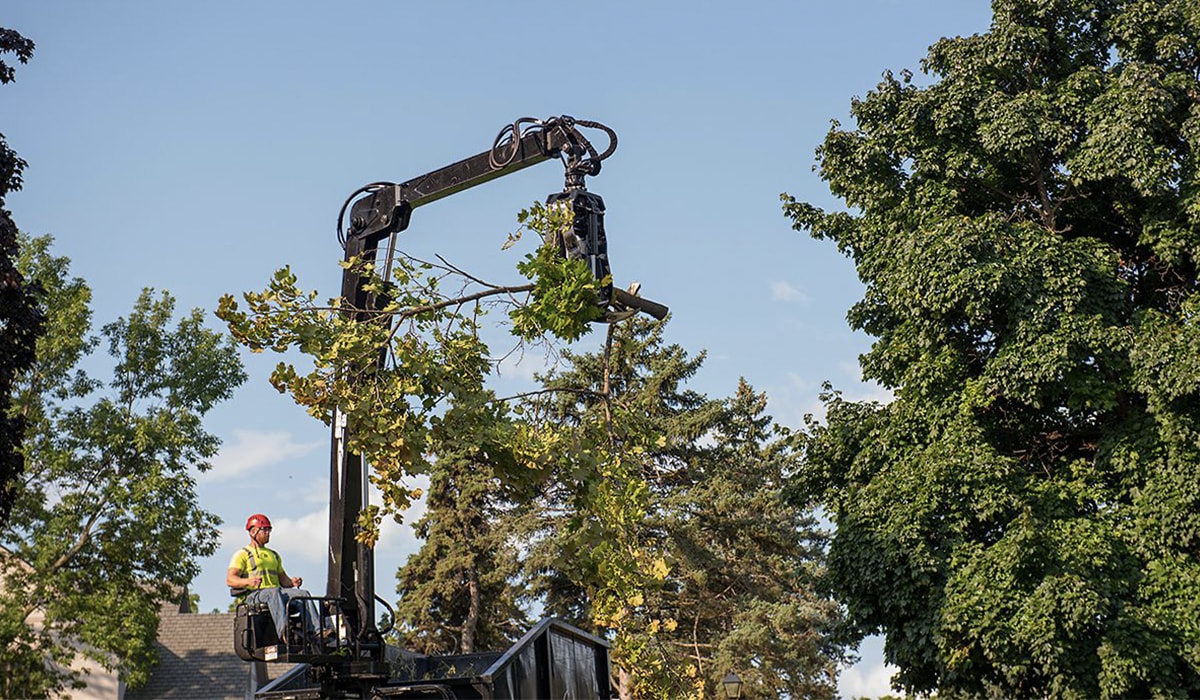
When severe storms strike, the aftermath can leave trees in dangerous states, creating threats to buildings and people. Certified tree experts are crucial in crisis management, evaluating storm-damaged trees to gauge their soundness and condition. With their skill, they can discern which trees can be salvaged and which pose get the full story imminent hazards that need to be taken down.
Equipped with specialized tools, arborists can safely prune broken branches and clear debris, reducing additional harm to adjacent property. The experts also give useful recommendations on risk mitigation, such as selecting resilient tree species for subsequent landscaping.
In addition to immediate response, tree specialists assist clients in grasping the future impacts resulting from the weather, offering guidance on recovery and rehabilitation. Through quick and effective action, these experts do more than just secure homes but also help in the renewal of the local environment once the tempest has passed.
Nutrient Assistance and Ground Care
After the devastation caused by storm damage, focus shifts to the health of remaining trees, emphasizing the necessity of nutrient assistance and soil management. A professional arborist evaluates soil conditions and tree vitality to figure out precise nutrient requirements. Trees require key nourishment, like nitrogen, phosphorus, and potassium, to recover and thrive post-stress incidents.
Earth maintenance is crucial for nutrient availability and the growth of roots. Arborists may recommend soil amendments, including organic matter, to improve the ground's composition and microbe function. The correct pH balance are also assessed, as they affect nutrient uptake.
Using mulching methods can improve moisture retention and suppress weeds, fostering a perfect setting for trees to heal. By developing a thorough nutritional plan and applying successful ground care techniques, arborists ensure trees recover their vigor, resilience, and total well-being, which is critical for maintaining a balanced ecosystem following environmental disturbances.
FAQs
What is the Recommended Inspection Frequency?
Trees should be evaluated once a year for peak health. Nevertheless, more regular inspections may be necessary for younger trees, after severe weather events, or if any signs of distress or disease are observed.
Which Credentials Should I Seek in an Arborist?
When hiring a tree specialist, one should look for credentials such as ISA (International Society of Arboriculture) accreditation, proven track record, insurance coverage, and a good standing locally, guaranteeing skill in tree care and safe procedures.
Do Arborists Utilize Special Equipment for Tree Care?
Arborists use a range of unique equipment for tree care, including chainsaws, pruning shears, climbing gear, and stump grinders. Every piece of equipment has a distinct function, ensuring effective maintenance, pruning, and removal of trees while promoting overall health and safety.
What is the Influence of Climate on Tree Health?
The climate significantly affects tree health; heavy rainfall may result in root rot, while lack of water weakens trees. Very high or low temperatures can damage leaves and branches, ultimately affecting growth, durability, and overall strength of the trees.
Can I Perform Tree Care Myself, or Should I Hire a Professional?
Even though a few fundamental tree care duties can be performed by individuals, calling in a specialist is frequently the best option - Florence Arborist. Specialists are equipped with unique expertise and gear, to make sure the trees receive the proper care necessary for ideal health and growth